What Is a Modern Sofa? A Simple Guide
Table of Contents

Choosing a sofa isn't just about comfort. The wrong one can make a room feel crowded, block natural light, and throw off the entire look of your living space.
That's why modern sofas have become so popular. With clean lines, simple shapes, and space-conscious designs, they fit naturally into apartments, open-concept homes, and contemporary interiors.
But what exactly is a modern sofa?
In this guide, you'll learn what defines a modern sofa, how it differs from traditional styles, the most popular modern sofa types, and how to choose the right one for your home.
What Is a Modern Sofa?
A modern sofa is a sofa designed with clean lines, simple shapes, and a focus on functionality rather than decoration. Common features include slim arms, low-profile silhouettes, exposed legs, neutral color palettes, and minimal ornamentation. Their design philosophy is simple: remove unnecessary decorative elements and create furniture that is both visually appealing and practical for everyday use.
It's also worth clearing up a common misconception.
Many people assume that "modern" simply means new or trendy. In reality, modern furniture style is rooted in a specific design movement that emerged during the early and mid-20th century. Designers embraced the idea that furniture should be useful first and decorative second. That philosophy continues to shape modern sofa design today.

Of course, not every modern sofa looks the same. Some feature deep seats built for spending time with pets. Others focus on compact dimensions for smaller apartments. Some lean toward mid-century modern influences, while others embrace softer contemporary shapes.
What they all share is the same core idea: simple design, practical comfort, and a clean look that fits the way people live today.
Before choosing a modern sofa, it helps to understand where these designs work best and why they've become such a natural fit for many American homes.
Where Do Modern Sofas Work Best?
One of the biggest advantages of a modern sofa is its versatility. Clean lines, slimmer profiles, and practical designs allow it to fit naturally into many different spaces. You can place one in a small apartment, a home office that doubles as a living room, an open-concept layout, or a large family gathering area without making the room feel crowded.
When I moved into a smaller apartment, I noticed this almost immediately. Replacing a bulky traditional couch with a slimmer modern sofa made the room feel noticeably more open, even though the overall seating capacity barely changed. In larger homes, modular and sectional designs give you the flexibility to create seating arrangements that match your daily routines. No matter the room size, a modern sofa can provide comfort, function, and style while keeping the space balanced and inviting.

What Types of Modern Sofas Are Available?
The most familiar type is the modern sectional sofa. It usually includes multiple seats, a chaise, or an L-shaped layout, making it a favorite for family rooms and open living areas. In my experience, the chaise section almost always becomes the most popular seat in the house. Guests gravitate toward it, kids claim it first, and even pets seem to know it's the best spot.
Mid-century modern sofas
These designs often have tapered wooden legs, slim arms, structured cushions, and a lighter frame. They work beautifully in apartments, home offices, and smaller living rooms because they don’t feel bulky. But they can also feel firmer than expected, so they’re not always the best pick if you want a sink-in, nap-friendly couch.
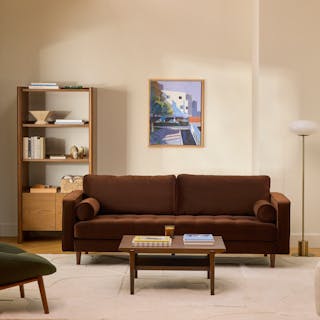
Contemporary sofas
While modern sofas are rooted in a specific design style, contemporary sofas reflect what’s popular right now. That might mean curved shapes, softer edges, deep seats, or bold fabric choices. If you want a modern living room that feels current and cozy, a contemporary sofa may be the better fit.
There are also modern sleeper sofas, which are ideal for guest rooms, studio apartments, and homes without a dedicated spare bedroom. During the day, they look like a regular modern couch. At night, they turn into an extra bed when friends or family stay over.

Minimalist modern sofas
These pieces sit closer to the floor and keep the visual lines clean. They can make a room feel calm, open, and almost gallery-like. The trade-off is comfort. If the seat is too low or the back is too short, it may not feel great for older adults, tall users, or long TV nights.

What's the Difference Between a Modern Sofa and a Traditional Sofa?
The main difference between a modern sofa and a traditional sofa is their design approach. Modern sofas prioritize clean lines, functionality, and space efficiency, while traditional sofas focus on decorative details, plush comfort, and classic craftsmanship. Modern designs generally feel lighter and more versatile, whereas traditional sofas create a more formal and timeless look.
Modern Sofas: Modern sofas focus on simplicity, functionality, and clean design. They typically feature streamlined silhouettes, slim arms, exposed legs, and minimal decorative details that help rooms feel more open and spacious. Many modern sofas use durable materials such as performance fabrics, leather, and high-density foam cushions that provide structured support and require relatively little maintenance. Their compact profiles and versatile designs make them a natural fit for apartments, open-concept homes, multipurpose spaces, and contemporary interiors.
Traditional Sofas: Traditional sofas emphasize craftsmanship, ornamentation, and a more formal appearance. They often feature rolled arms, tufted backs, carved wood accents, and plush cushions designed for a softer, sink-in feel. Natural materials, decorative fabrics, and detailed construction contribute to their timeless character, but they may require more upkeep over time. Because of their larger proportions and heavier visual presence, traditional sofas tend to work best in spacious living rooms, classic homes, and interiors that favor a warm, layered aesthetic.

Why Are Modern Sofas So Popular?
Modern sofas have remained popular for decades because they balance style and practicality better than many other furniture styles. While designs vary from one model to another, most modern sofas share a few core characteristics that make them easy to recognize and easy to live with.
According to a home design surveys in 2025, open-concept layouts and multifunctional living spaces continue to influence furniture choices, leading more homeowners to prioritize flexible and space-efficient seating solutions.
Clean, Minimalist Design
The most recognizable feature of a modern sofa is its clean and streamlined appearance. Simple shapes, slim arms, low-profile silhouettes, and minimal ornamentation create a lighter visual presence than traditional furniture. Instead of drawing attention through decorative details, modern sofas rely on balanced proportions and thoughtful design to create a space that feels calm, organized, and visually appealing.
Space-Saving Advantages
Modern sofas are especially effective in smaller homes and open-concept layouts because they help rooms feel larger and less crowded. Raised legs, slimmer frames, and clean lines expose more floor space and allow natural light to move more freely throughout the room. Even in larger living areas, these designs help maintain an open and uncluttered atmosphere without sacrificing comfort.
Practical Features for Everyday Living
Functionality is another defining characteristic of modern sofa design. Many models include features that support today's lifestyles, such as modular configurations, sleeper mechanisms, storage compartments, and adjustable headrests. These practical additions make it easier to adapt furniture to changing needs, whether hosting guests, rearranging a room layout, or maximizing the use of a multifunctional living space. This trend is closely aligned with broader housing preferences. According to the NAHB, the average size of newly built single-family homes in the United States declined from 2,479 square feet in 2022 to 2,411 square feet in 2023, reaching its lowest level in more than a decade.
Durable Materials and Versatile Styling
Modern sofas often use durable materials such as performance fabrics, leather, and high-density cushioning that can handle daily wear, spills, and pet activity more effectively than many traditional upholstery options. Neutral colors like gray, beige, cream, and black also make decorating easier. Rather than replacing the sofa when your style changes, you can update the room with new rugs, pillows, artwork, or accessories while keeping the same foundation piece.
Ultimately, the biggest advantage of a modern sofa is its versatility. It combines clean design, practical functionality, durable materials, and long-term adaptability in a way that works for many different homes and lifestyles. Instead of simply looking good, a modern sofa helps create a living space that feels comfortable, flexible, and easy to enjoy every day.

How to Choose the Right Modern Sofa?
Before you buy a modern sofa, start with the basics: your space and your lifestyle. Measure your room carefully, including doorways, hallways, and staircases, to avoid costly delivery surprises. Then think about how you actually use your couch. If you love stretching out during lazy weekends, a deep-seat sectional may be the best fit. If you prefer reading, working, or entertaining guests, a more structured sofa can provide better support. The right choice is about finding a sofa that fits the way you live.
Materials and construction matter just as much as appearance. Performance fabrics are a smart choice for homes with kids, pets, or frequent guests because they handle spills and daily wear more easily. High-density foam cushions and quality suspension systems also help prevent sagging and keep the sofa comfortable for years. While it can be tempting to focus on price alone, long-term durability often delivers better value than the cheapest option. A modern sofa should look great on day one, but it should still feel comfortable and functional years down the road.
Conclusion
A modern sofa combines contemporary design with everyday functionality. Its clean lines, practical features, and versatile style make it a natural fit for many of today's homes. The best modern sofa isn't necessarily the most expensive or the most popular. It's the one that fits your space, supports your lifestyle, and stays comfortable for years to come. By considering your room size, daily habits, and long-term needs, you can find a sofa that not only looks great but also makes your home more enjoyable every day.
FAQ
Are Modern Sofas Actually Comfortable?
Yes. Modern sofas can be very comfortable, but comfort depends on factors like seat depth, cushion firmness, and back support. Some models are designed for lounging, while others provide a more structured sitting experience.
Are Modern Sofas Good for Small Spaces?
Yes. Modern sofas often feature slim arms, clean lines, and compact profiles that help small rooms feel more open. Many are also available in apartment-sized and modular designs that maximize seating without taking up excessive space.
What Is the Best Fabric for a Modern Sofa?
Performance fabric is often the best all-around choice because it resists stains, spills, and daily wear. Leather is another durable option, while velvet offers a softer and more luxurious look.
What's the Difference Between a Modern Sofa and a Contemporary Sofa?
A modern sofa follows a specific design style characterized by clean lines and functional simplicity. A contemporary sofa reflects current design trends, which change over time and often include softer shapes and more relaxed silhouettes.